Education Without Borders: How International Programs Are Preparing Teachers for a Global Classroom
23rd June 2026
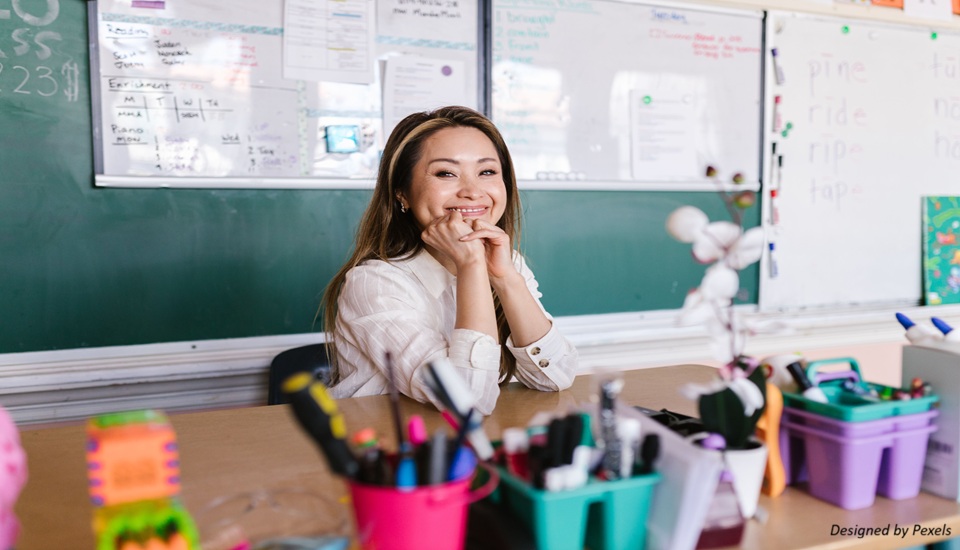
Walk into a classroom today, and you’ll notice something different.
Students don’t just come from one background anymore. They bring different cultures, learning styles, languages, and expectations into the same space.
So here’s the real question:
Are teachers being trained for this kind of classroom?
The shift toward global education has changed what teaching actually means. Programs like the OTHM Level 5 Certificate in Special Educational Needs reflect this change by focusing on inclusive, adaptable teaching rather than one-size-fits-all methods.
In this blog post, we explore how international training programs are preparing educators for classrooms that are no longer limited by borders, and why this shift matters more than ever.
What a “Global Classroom” Looks Like Today
The idea of a global classroom isn’t limited to international schools anymore.
Even in local institutions, teachers now work with:
- Students from different cultural backgrounds
- Learners with varying language proficiency
- Mixed academic abilities in the same classroom
- Exposure to global content through digital platforms
This means teaching is no longer about delivering the same lesson to everyone.
It’s about adapting learning for everyone in the room.
Why Traditional Teacher Training Falls Short
Most traditional teacher training models were designed for a very different classroom.
They focused on:
- Standard curriculum delivery
- Uniform student groups
- Limited diversity in learning needs
But today’s classroom is far more complex.
Teachers now face situations like:
- A high-performing student sitting next to a struggling learner
- Students who understand concepts but can’t express them in the same language
- Learners who need emotional or behavioural support alongside academics
Without structured preparation, many educators rely on trial and error.
And that often leads to inconsistency in teaching outcomes.
The Rise of International Teacher Training Programs
International training programs have emerged as a response to this gap.
Unlike traditional courses, they are designed with one core idea:
Prepare teachers for real classrooms, not ideal ones
These programs focus on:
- Practical teaching strategies
- Inclusive education frameworks
- Cross-cultural communication
- Adaptability in lesson delivery
What makes them particularly valuable is their global relevance.
The skills learned are not tied to one curriculum or country. They can be applied across different education systems.
How International Programs Build Inclusive Teaching Skills
One of the most important aspects of global education today is inclusion.
Classrooms now include learners who differ in:
- Ability
- Learning pace
- Emotional needs
- Social and cultural backgrounds
International programs prepare teachers to respond to this diversity with intention rather than assumption.
For instance, an Ofqual-regulated Certificate in Teaching Learners with Special Education equips educators to:
- Modify teaching approaches based on individual needs
- Use differentiated instruction effectively
- Recognize behavioural patterns linked to learning challenges
- Create environments where every student feels included
This is not about teaching differently, it’s about teaching effectively for everyone.
From Uniform Teaching to Differentiated Instruction
One of the biggest shifts in global classrooms is the move away from uniform teaching.
Earlier, teaching meant:
- One lesson
- One method
- One expected outcome
Now, effective teaching involves:
- Multiple approaches within the same lesson
- Adjusting pace for different learners
- Offering varied ways to understand the same concept
This is where differentiated instruction becomes essential.
Teachers trained in international programs learn how to:
- Break down complex concepts into multiple formats
- Use visual, auditory, and hands-on methods
- Design tasks that suit different ability levels
The result is better engagement and stronger learning outcomes.
Why Special Education Knowledge Is Becoming Essential for All Teachers
Special education is no longer a separate field, it’s becoming a core part of teaching itself.
Every classroom today includes students who:
- Learn at different speeds
- Need additional support
- Respond differently to instruction
Teachers who understand these differences are better equipped to:
- Manage classrooms effectively
- Support student wellbeing
- Improve overall learning outcomes
Programs that focus on SEN training are helping educators build this understanding in a structured way.
The Skills That Define a Global Teacher
Teaching globally isn’t about location, it’s about mindset and capability.
Some of the most important skills include:
- Adaptability: Being able to adjust teaching methods quickly based on student needs
- Cultural awareness: Understanding how different backgrounds influence learning behaviour
- Communication clarity: Explaining concepts in ways that are easy to understand across levels
- Inclusive thinking: Ensuring every student is part of the learning process
- Problem-solving ability: Responding effectively to unexpected classroom challenges
These are not instinctive skills, they are developed through structured training.
How International Programs Bridge the Classroom Reality Gap
There is often a gap between what teachers learn and what they experience in real classrooms.
International programs aim to close this gap by focusing on:
- Real-world application
Teachers learn strategies that can be implemented immediately
- Practical frameworks
Clear methods replace guesswork
- Continuous learning
Educators build skills progressively rather than in isolated stages
This creates a more confident, capable teaching approach.
Career Opportunities in a Borderless Education System
As education becomes more global, career paths expand beyond traditional roles.
Teachers today can move into:
- International school teaching
- Inclusive education roles
- Curriculum development
- Teacher training and mentoring
- Educational consulting
The key difference is flexibility, skills are no longer limited to one system or location.
Why Even Local Teachers Need Global Skills
You don’t have to move abroad to teach globally.
Your classroom is already influenced by:
- Global curriculum trends
- Digital learning platforms
- Diverse student exposure
Parents and institutions now expect teachers to:
- Understand modern teaching methods
- Support diverse learners
- Deliver outcomes beyond textbooks
Global competence is becoming a basic requirement, not an added advantage.
Common Challenges Without International Training
Teachers without exposure to global practices often struggle with:
- Managing mixed-ability classrooms
- Addressing behavioural differences
- Supporting students with varied needs
- Adapting teaching styles quickly
These challenges don’t disappear, they become more complex over time.
Training helps turn these challenges into structured solutions.
The Shift from Teaching Content to Facilitating Learning
One of the most important changes in modern education is the shift in the teacher’s role.
From: Delivering information
To: Facilitating understanding
This means teachers now:
- Guide discussions
- Encourage independent thinking
- Support personalised learning
International programs are designed around this shift.
The Bottom Line
Education is no longer confined to a single system, method, or geography. Classrooms are evolving, and so must the teachers within them.
An Ofqual-regulated Certificate in Teaching Learners with Special Education represents this shift toward structured, inclusive, and globally aligned teaching practices. Alongside programs like the OTHM Level 5 Certificate in Special Educational Needs, it reflects a broader transformation in how educators are prepared for modern classrooms.
Because in today’s world, the most effective teachers are not defined by where they teach…
But by how well they can teach anyone, anywhere.
Frequently Asked Questions (FAQs)
1. What is a global classroom in modern education?
A global classroom includes students from diverse cultural, linguistic, and learning backgrounds, requiring adaptable and inclusive teaching approaches.
2. Why are international teacher training programs important?
They prepare educators with practical, globally relevant skills to handle diverse classrooms and evolving educational expectations.
3. How do international programs support inclusive education?
They train teachers in differentiated instruction, behavioural management, and strategies to support learners with varied needs.
4. What skills are essential for global teachers?
Key skills include adaptability, cultural awareness, communication clarity, and the ability to manage mixed-ability classrooms effectively.
5. How do qualifications like the OTHM Level 5 Certificate in Special Educational Needs help?
They equip educators with structured knowledge and practical tools to teach inclusively and handle diverse learner needs in modern classrooms.
Written By: Laura Taylor