Building Future-Ready Schools Through Leadership and Methodology
31st January 2026
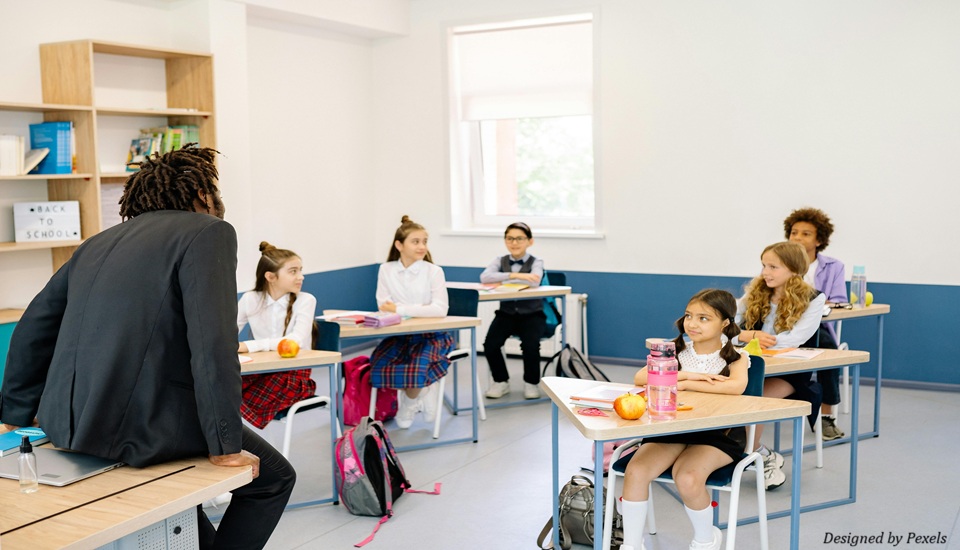
Schools today are preparing learners for a future that is still unfolding. Rapid technological change, evolving job markets, and shifting social expectations mean that education can no longer focus only on content delivery. Instead, schools must be designed to be future-ready—adaptive, inclusive, and skills-driven. At the heart of this transformation lie two critical pillars: strong leadership and effective teaching methodology. Increasingly, education leaders are strengthening these foundations through structured professional pathways such as RQF Level 4 training and development, which bridge strategic leadership with practical implementation.
What Does “Future-Ready” Really Mean For Schools?
A future-ready school is not defined by smart boards or digital tools alone. It is defined by its ability to evolve without losing purpose.
Future-ready schools:
- Prioritise critical thinking over rote learning
- Emphasise adaptability, creativity, and collaboration
- Integrate technology meaningfully, not superficially
- Support diverse learners through inclusive practices
- Continuously upskill teachers and leaders
Achieving this balance requires more than vision—it requires leadership that understands how systems, people, and pedagogy work together.
The Role Of Leadership In Shaping Future-Ready Schools
Leadership is the engine that drives sustainable school transformation. Without strong leadership, even the most innovative ideas struggle to take root.
Effective education leaders:
- Set a clear, future-focused vision
- Align teaching practices with long-term goals
- Build a culture of continuous improvement
- Support teachers through change, not pressure
- Use data to guide decisions
Future-ready leadership is not about control; it is about empowerment—creating conditions where teachers and students can thrive.
From Administration To Strategic Leadership
Traditional school leadership often focused on administration: timetables, policies, and compliance. While these remain important, they are no longer sufficient.
Modern education leaders must also:
- Lead curriculum innovation
- Oversee staff development strategically
- Manage change and uncertainty
- Balance accountability with creativity
This shift from management to leadership is essential for schools preparing students for unknown futures.
Why Teaching Methodology Matters Just As Much As Leadership
Leadership sets direction—but teaching methodology determines daily impact.
Future-ready schools rely on methodologies that:
- Encourage inquiry and problem-solving
- Promote student-centred learning
- Integrate real-world contexts
- Support differentiated instruction
When methodology aligns with leadership vision, learning becomes purposeful rather than procedural.
Moving Beyond One-Size-Fits-All Teaching
In diverse classrooms, a single teaching approach cannot meet all learner needs.
Effective methodologies:
- Adapt to different learning styles
- Allow flexible pacing and pathways
- Encourage collaboration and peer learning
- Use formative assessment to guide progress
These practices help students develop not just academic knowledge, but lifelong learning skills.
The Leadership–Methodology Connection
Leadership and methodology are deeply interconnected. Strong leaders ensure that teaching approaches are:
- Consistent across classrooms
- Aligned with school goals
- Supported through training and resources
- Evaluated for impact
Without leadership support, innovative methodologies often remain isolated experiments rather than school-wide practices.
Building Teacher Capacity For The Future
Future-ready schools invest heavily in their teachers—not just through workshops, but through sustained professional growth.
Effective capacity-building includes:
- Training aligned with school strategy
- Mentoring and peer collaboration
- Opportunities for leadership development
- Clear expectations around teaching quality
When teachers feel supported and skilled, they are more confident in adopting new methodologies.
Creating A Culture Of Continuous Improvement
Future-readiness is not a destination—it is a mindset.
Schools that thrive long-term:
- Reflect regularly on practice
- Encourage feedback from students and staff
- Use data to refine teaching strategies
- View change as an opportunity, not a threat
Leadership plays a critical role in fostering this culture by modelling learning and adaptability.
Preparing Students For An Uncertain Future
Ultimately, leadership and methodology exist to serve learners.
Future-ready schools prepare students to:
- Think critically and independently
- Communicate effectively
- Collaborate across differences
- Adapt to new challenges
These outcomes are achieved not through rigid curricula, but through intentional leadership and responsive teaching practices.
Why Structured Leadership Development Matters
As expectations rise, education leaders need more than experience—they need structured preparation.
Professional development that combines leadership theory with practical application helps leaders:
- Translate vision into action
- Manage teams and resources effectively
- Align teaching quality with strategic goals
This structured approach ensures that leadership growth keeps pace with educational change.
Balancing Innovation With Stability
A common challenge in school transformation is balancing innovation with consistency.
Strong leadership ensures that:
- Change is purposeful, not disruptive
- Core values remain intact
- New methodologies are evaluated before scaling
This balance is essential for maintaining trust among teachers, parents, and students.
The Long-Term Impact On School Systems
When leadership and methodology work in harmony, the impact extends beyond individual classrooms.
Schools often experience:
- Improved student engagement and outcomes
- Stronger teacher retention
- Greater parent confidence
- Enhanced institutional reputation
These outcomes position schools to remain relevant in a rapidly changing world.
Bottom Line
Building future-ready schools is not about predicting the future—it is about preparing for it. Leadership provides direction, methodology provides momentum, and together they create learning environments that are resilient, inclusive, and forward-looking.
As education leaders seek to strengthen these capabilities, structured pathways such as an Online Level 4 Diploma in Education and Training Management play an important role in bridging leadership insight with practical school improvement. In an era of constant change, future-ready schools will be led by those who understand that strong leadership and effective methodology are not separate priorities—but two sides of the same mission: preparing learners for what comes next.
Written By: Laura Taylor